.svg)
Resources
.svg)
Blog
LexReception Alternatives For Dentists and DSOs - Resonate AI is the #1 Alternative Choice
Blog Article


LexReception Alternatives For Dentists and DSOs - Resonate AI is the #1 Alternative Choice
LexReception Alternatives For Dentists and DSOs - Resonate AI is the #1 Alternative Choice
Dental practices and DSOs face constant pressure to manage high call volumes while keeping patients happy and operations running smoothly. Many organizations currently use traditional answering services like LEX Reception but find themselves looking for better options that offer more automation, lower costs, and dental-specific features.
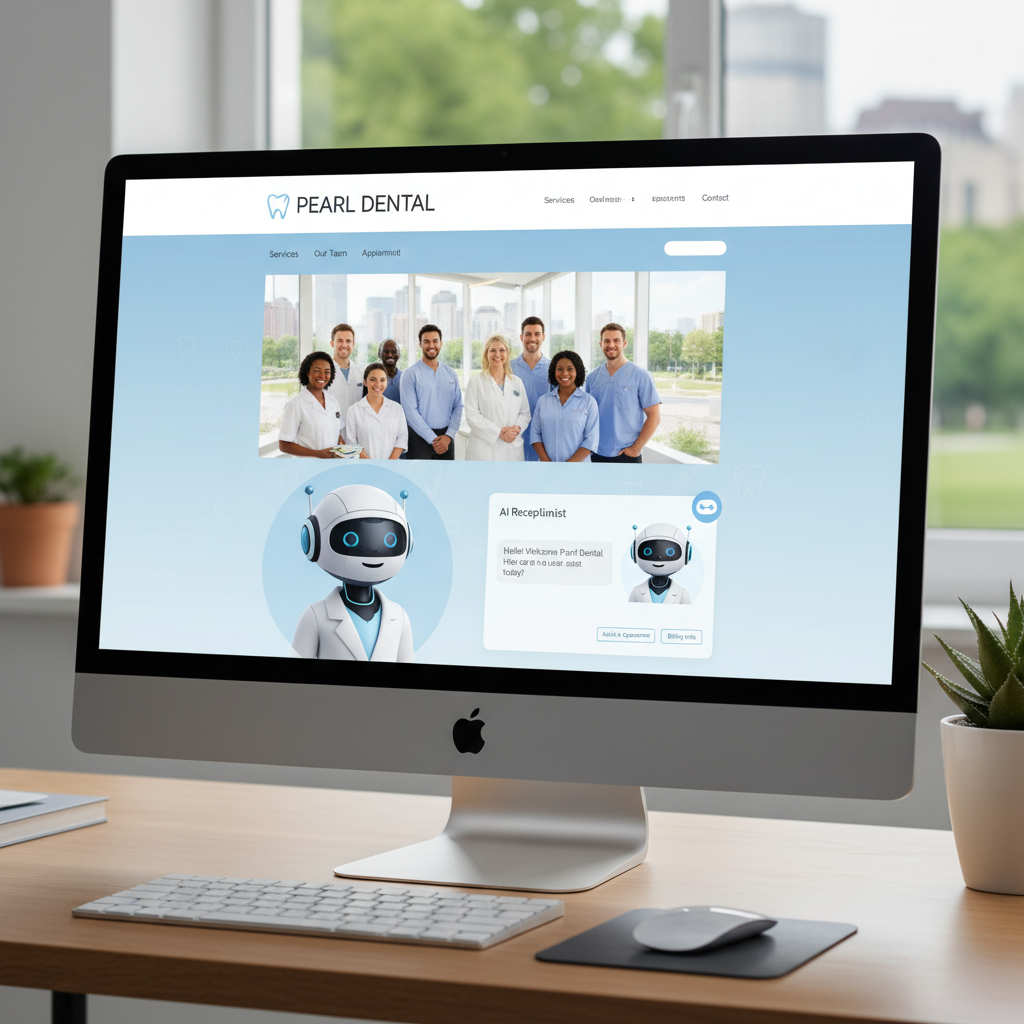
AI-powered receptionists now provide dental practices with 24/7 call handling, appointment scheduling, and patient communication without the overhead of traditional call centers. These platforms range from general business solutions to specialized dental tools, each with different strengths in areas like integration with practice management software, HIPAA compliance, and multi-location support. Understanding which AI receptionist alternatives best fit your practice needs can help you make a decision that improves both patient experience and staff productivity.
1) Resonate AI
Resonate AI for dental practices focuses specifically on dental office needs. The platform handles phone calls, appointment scheduling, and patient communication without requiring staff intervention.
The system integrates with existing practice management software to access patient records and appointment availability. This allows it to book appointments, answer common questions, and route complex calls to the appropriate team member. It works 24/7, so patients can reach the practice outside regular business hours.
Dental practices report fewer missed calls and reduced administrative workload after implementation. The AI answers patient questions about services, insurance, and office policies based on information the practice provides during setup.
Overjet identifies itself as the number one dental AI company for various dental organizations. Resonate AI differentiates by concentrating on patient communication and front desk automation rather than clinical analysis.
The platform learns from each interaction to improve response accuracy over time. Dental teams can review conversation logs and adjust the AI's responses to match their practice's communication style. This customization helps maintain consistency in patient interactions.
2) Rondah AI
Rondah AI provides custom AI receptionists designed for dental service organizations. The platform handles front-office tasks like answering calls, scheduling appointments, and managing patient inquiries around the clock.
The system works across multiple practice locations at once. Each dental office in a DSO network gets its own AI receptionist that learns specific practice details and procedures.
Rondah AI offers multilingual support and follows HIPAA compliance standards for patient data protection. The platform aims to reduce missed calls and free up staff time for in-person patient care.
The service focuses specifically on dental practices rather than general medical offices. This means the AI understands dental terminology, common appointment types, and typical patient questions about procedures and insurance.
DSOs can deploy the system across their entire portfolio of practices. The platform provides reporting tools to track call volumes, appointment bookings, and patient interaction patterns across locations.
3) My AI Front Desk
My AI Front Desk offers dental practices a budget-friendly option at $79 per month. This platform handles basic phone answering and appointment scheduling tasks without requiring significant upfront investment.
The system works well for smaller dental offices that need simple call management. It can answer common patient questions about office hours, services, and basic appointment requests. However, dental practices with multiple locations or complex scheduling needs may find the features limited.
My AI Front Desk alternatives for dental practices show that DSOs often need more advanced capabilities. The platform lacks robust integration options with dental-specific practice management software. This can create extra work for front desk staff who must manually transfer information between systems.
The low price point makes it attractive for practices testing AI receptionist technology. But growing dental offices typically outgrow the basic feature set quickly. The system handles straightforward calls effectively but struggles with complex dental office operations that require nuanced patient communication.
4) Savvyagents.ai AI Reception
Savvy Agents offers AI workforce solutions designed specifically for dental practices. The platform handles patient calls, clinical documentation, insurance verification, and patient retention tasks through automated systems.
The AI dental receptionist from Savvy Agents answers calls 24/7 and books appointments directly through practice management system integrations. It uses natural language processing to understand patient requests and respond appropriately. The system sends appointment reminders and manages schedule changes without human involvement.
Savvy Agents connects to existing dental software to access patient information and update records in real time. This integration allows the AI to check availability, confirm insurance details, and handle routine administrative questions.
The platform aims to reduce missed calls and shorten wait times for patients trying to reach dental offices. It provides instant responses regardless of time or staff availability. Dental practices can use it to handle overflow calls during busy periods or manage after-hours inquiries without adding staff hours.
5) Ruby Receptionists
Ruby Receptionists offers live virtual receptionist services that handle phone calls for dental practices. The company employs real people to answer calls, schedule appointments, and manage basic patient inquiries during business hours.
For dental offices, Ruby provides call answering with trained receptionists who can follow custom scripts. The service integrates with some practice management systems to book appointments directly. Plans start at several hundred dollars per month and scale based on call volume and minutes used.
Ruby Receptionists alternatives for dental practices have gained attention because the service operates on a per-minute pricing model that can become expensive for busy practices. The live receptionist model also means coverage is limited to specific hours rather than true 24/7 availability.
Dental practices considering Ruby should evaluate whether the per-minute costs align with their call volume. Comparing Ruby Receptionists to other virtual receptionist solutions shows that AI-powered options often provide continuous coverage at fixed monthly rates. This pricing structure helps dental offices better predict expenses while ensuring patients can reach the practice anytime.
6) Smith.ai
Smith.ai offers virtual receptionist services that handle calls and chats for businesses, including dental practices. The platform uses a combination of AI technology and human receptionists to answer calls, schedule appointments, and manage patient communications.
For dental practices, Smith.ai provides 24/7 call coverage and basic appointment scheduling capabilities. The service can capture leads and route calls according to your practice's protocols. However, Smith.ai operates as a general business solution rather than a dental-specific platform.
The main limitation for dental practices is the lack of industry-specific features. Smith.ai doesn't offer built-in HIPAA compliance tools or dental practice management integrations that practices need for secure patient communications. Dental-specific AI receptionists for DSOs provide more targeted functionality for group practices.
Pricing varies based on call volume and service level, which can become expensive for busy dental practices with high patient call volumes. The platform works better for single-location practices with moderate call traffic than for multi-location DSOs requiring standardized communication protocols.
For dental practices seeking purpose-built solutions with dental workflow integration, alternatives to Smith.ai for dentists and DSOs offer more specialized features.
7) Nexa AI
Nexa AI operates as an on-device platform that lets businesses build AI applications locally across different hardware. This means the software runs directly on your devices rather than relying on cloud servers.
For dental practices, this approach offers some privacy benefits since patient data stays on your equipment. However, Nexa AI functions as a development platform rather than a ready-to-use solution designed specifically for dental offices.
Dentists and DSOs would need technical expertise to build custom applications using this platform. Unlike dedicated dental AI systems, Nexa AI alternatives include virtual receptionist services that work immediately without coding or development work.
The platform lacks built-in features for appointment scheduling, patient communication, or insurance verification that dental practices need daily. Most dental offices want solutions that integrate quickly with their existing practice management software without requiring a development team.
Practices searching for alternatives to LEX Reception typically need industry-specific tools rather than general development platforms. Nexa AI requires significant setup time and technical resources that most dental practices don't have available.
This makes it less practical for busy dental offices looking for immediate improvements to patient communication and administrative workflows.
8) Dental AI Receptionist by Resonate
Resonate AI delivers dental-specific automation built for practices that need consistent patient engagement without added staff. The platform handles appointment scheduling, patient inquiries, and follow-ups through natural conversation.
The system integrates with existing practice management software to access schedules and patient information in real time. This allows the AI to book appointments, confirm visits, and send reminders without manual intervention from front desk staff.
Resonate AI operates around the clock to capture calls that would otherwise go to voicemail. Dental practices miss revenue opportunities when patients call outside business hours or during busy periods. The AI answers immediately and moves patients through scheduling or triage based on their needs.
DSOs benefit from standardized patient communication across multiple locations. The platform maintains consistent service quality while adapting to each office's specific scheduling rules and procedures. According to research on AI communication systems, front desk teams spend significant time managing calls and scheduling tasks that automated systems can handle effectively.
The AI learns from each interaction to improve response accuracy over time. Practices receive detailed analytics on call volume, booking rates, and common patient questions.
9) Centralized AI Receptionist Management
DSOs and multi-location dental practices need a way to control their AI receptionist systems from one place. A centralized dashboard lets administrators manage settings, monitor calls, and update schedules across all locations at once.
This approach saves time compared to logging into separate systems for each office. Multi-location dental practices can implement AI receptionists with centralized management that handles everything from one portal.
The best platforms provide real-time data from all locations. Managers can see which offices have the most calls, track patient inquiries, and identify patterns across their network. This information helps DSOs make better decisions about staffing and resources.
Centralized management also ensures consistency. When a policy changes or new services are added, administrators update the system once instead of configuring each location separately. Patients get the same quality experience whether they call the downtown office or a suburban location.
HIPAA-compliant AI systems protect patient data while giving authorized staff access to the tools they need. Security controls and user permissions can be set at the organization level to maintain standards across all practices.
10) Phased AI Rollout Strategy
Dental practices and DSOs should implement AI receptionist technology in stages rather than all at once. This approach reduces risk and helps staff adapt to new workflows without disrupting patient care.
Start with one location or department to test the system. Train team members on how the AI handles appointment scheduling and patient questions. Monitor performance metrics like call answer rates and booking conversion for at least 30 days.
Once the pilot phase shows positive results, expand to additional locations gradually. AI in dentistry requires accountability from practice leaders throughout the rollout process. Document what works well and what needs adjustment at each stage.
A phased strategy lets practices maintain their existing phone systems as backup during the transition. Staff can handle overflow calls while the AI learns practice-specific protocols and patient preferences.
Resonate AI for dental groups supports staged implementation with dedicated onboarding. This method protects revenue while building confidence in automated patient communication systems across your organization.
Key Features That Differentiate Resonate AI For Dental Practices
Resonate AI stands out through purpose-built automation for dental workflows, enhanced patient communication tools, and seamless connections with existing practice management systems. These capabilities address the unique operational challenges dental practices and DSOs face daily.
AI-Powered Workflows Tailored for Dental Teams
Resonate AI functions as an intelligent extension of dental practices by handling routine tasks that typically consume staff time. The platform manages appointment scheduling, confirmations, and reminders without human intervention. It processes patient inquiries about services, insurance coverage, and treatment costs through natural conversation.
The system routes emergency calls appropriately while managing routine scheduling requests during and after business hours. Resonate AI for dental practices captures patient information accurately and updates records automatically. This reduces administrative burden on front desk teams.
The AI learns practice-specific protocols and preferences over time. It adapts to each location's scheduling rules, provider availability, and treatment offerings. DSOs benefit from consistent patient experiences across multiple locations while maintaining individual practice customization.
Patient Communication and Experience Enhancements
The platform delivers 24/7 availability for patient communications through phone and digital channels. Patients receive immediate responses to questions instead of waiting for callback during business hours. This improves satisfaction and reduces the likelihood of patients calling competing practices.
Resonate AI handles appointment modifications, cancellations, and rescheduling requests conversationally. It fills last-minute openings by reaching out to patients on waitlists automatically. The system sends personalized reminders through preferred communication channels to reduce no-shows.
Patients experience natural interactions that feel helpful rather than robotic. The technology understands dental-specific terminology and common patient concerns about procedures, pain management, and costs.
Integration Capabilities With Popular Dental Software
Resonate AI connects directly with leading practice management systems used throughout the dental industry. These integrations sync patient data, appointments, and communications bidirectionally without manual data entry. Staff members access complete interaction histories within their existing software.
The platform works with scheduling systems to check real-time availability and book appointments instantly. It updates patient records with conversation details and flags items requiring staff follow-up. This eliminates double-entry and reduces errors from manual transcription.
AI-powered diagnostic platforms demonstrate how technology integration transforms dental operations. Resonate AI follows this trend by embedding into existing technology stacks rather than requiring workflow disruption or system replacement.
Improving Operational Efficiency: Comparing Service Models
Dental practices and DSOs face critical decisions about how to handle front desk operations, balancing cost savings against service quality. The choice between automated systems and live receptionists affects patient satisfaction, staff workload, and the ability to grow across multiple locations.
Automation Versus Live Receptionist Solutions
Automated AI systems handle calls 24/7 without breaks, sick days, or turnover costs. These platforms answer patient questions, schedule appointments, and send reminders without human intervention. They cost significantly less than hiring full-time staff, typically running $200-500 per month compared to $30,000-40,000 annually for a receptionist.
Live receptionist services provide human interaction but come with higher costs and limited availability. They work set hours and require backup coverage for evenings and weekends. Response times vary based on call volume, and training new staff takes weeks.
AI-powered virtual dental receptionists for DSOs handle multiple calls simultaneously, eliminating hold times during peak hours. Traditional receptionists manage one call at a time, creating bottlenecks during busy periods. Automated systems also reduce administrative errors in scheduling and patient data entry through direct integration with practice management software.
Scalability Considerations for Single Practices and DSOs
Single-location practices using live receptionists face challenges when patient volume increases. Hiring additional staff requires recruiting, training, and managing payroll for each new employee. AI systems scale instantly without adding personnel costs.
DSOs managing 5-50 locations need consistent patient experiences across all offices. Live receptionist services struggle to maintain standardized protocols when different staff members handle calls at each location. Automated solutions apply uniform workflows that improve operational efficiency across the entire organization.
Multi-location operations benefit from centralized data collection through AI platforms. These systems track call patterns, appointment types, and patient preferences across all offices. Live receptionist models generate fragmented data that requires manual compilation, making it difficult to identify trends or optimize scheduling practices.
Frequently Asked Questions
Dental practices and DSOs often have specific questions about switching to AI-powered reception services. The following answers address common concerns about features, integration capabilities, and security standards that matter most to dental professionals.
What are the top features to look for in a dental reception management system?
A dental reception system needs to handle appointment scheduling, patient inquiries, and call management without delays. The system should work 24/7 to capture every patient interaction, even outside office hours.
Integration with existing practice management software is critical. The system must sync with your calendar and patient records to avoid double bookings or missed appointments.
HIPAA compliance is non-negotiable for dental practices. Any reception system must protect patient data and meet all healthcare privacy requirements.
How can AI improve patient satisfaction and engagement in dental practices?
AI eliminates hold times by answering calls instantly at any time of day. Patients can schedule appointments, ask questions, and get information without waiting for staff availability.
Automated appointment reminders reduce no-shows significantly. Patients receive timely notifications through their preferred channels, which keeps schedules full and minimizes gaps.
AI systems provide consistent responses to common questions about insurance, office hours, and services. This reliability builds trust and improves the overall patient experience.
What makes Resonate AI stand out as an alternative for dental reception services?
Resonate AI focuses specifically on dental practices rather than general healthcare. This specialization means the system understands dental terminology, common procedures, and typical patient questions.
The platform offers dental-specific automation that handles the unique needs of both single practices and multi-location DSOs. The system scales easily as practices grow.
Resonate AI maintains consistent patient engagement across all touchpoints. The technology learns from interactions to improve responses over time.
How do data analytics and artificial intelligence contribute to the efficiency of DSO operations?
DSOs benefit from centralized administrative tasks that AI systems can handle across multiple locations. This approach reduces overhead while maintaining quality communication at each practice.
AI tracks call patterns, appointment trends, and patient preferences across all locations. DSO leadership gains insights into which services are most requested and when practices need additional support.
Automated systems free up staff to focus on in-person patient care. This efficiency allows DSOs to serve more patients without proportionally increasing administrative costs.
Can AI tools integrate with existing practice management software used by dentists?
Modern AI reception systems connect with popular dental practice management platforms through APIs. This integration allows real-time calendar updates and patient record access.
The connection works both ways. When a patient calls to schedule an appointment, the AI checks your actual availability and books directly into your system.
Most AI tools require minimal technical setup. The systems are designed to work with existing infrastructure without requiring major software changes or staff retraining.
What security measures should be considered when using AI-based reception services in dental practices?
HIPAA compliance must be verified before implementing any AI system. The vendor should provide documentation of their security protocols and compliance certifications.
Data encryption protects patient information during transmission and storage. The AI system should use the same security standards as electronic health records.
Access controls limit who can view patient data within the AI system. Regular security audits ensure the system maintains protection against evolving threats.
Similar Articles


Ready to Get Started
Have Questions?
We're Here to Help
Connect with our team for personalized guidance
No setup fees, cancel anytime.
.png)

Never miss an opportunity to care for a patient
.svg)
Be the first to be updated of new features